
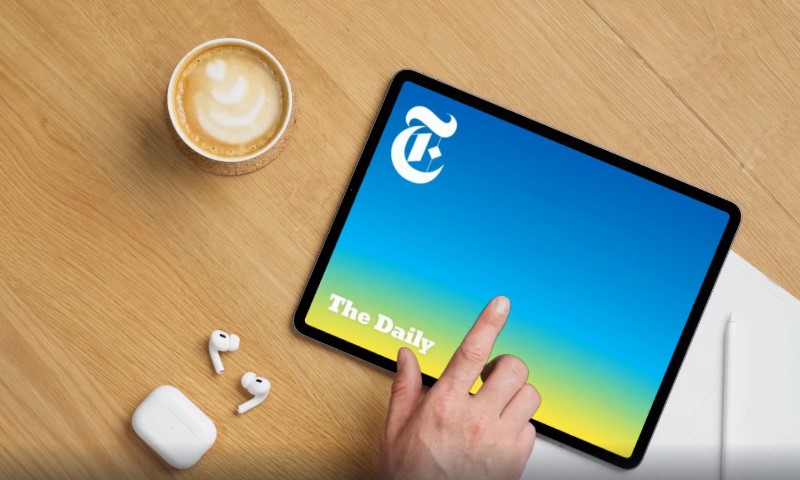
Back in the late 2010s, The Daily felt like a breakthrough. One story. One calm voice. A clear sense that you could press play in the morning and walk away feeling oriented. A lot has changed since then. Podcasts exploded. Platforms shifted. Video swallowed audio in unexpected ways. Paywalls moved closer to the listener. Hosts changed.
So the question in 2025 is not about legacy or brand recognition. The real question is practical. Does The Daily, as it exists right now, still earn a slot in a crowded, noisy news routine?
To answer that honestly, it helps to look at what the show was built to do, what changed around it, and how listening habits evolved. The verdict depends less on whether the show is “good” and more on whether its strengths still line up with how you consume news today.
Key Highlights
- Still a top-tier daily explainer with strong reach and production quality, built around one focused story per episode
- Format favors depth and clarity over speed, which works well for morning listening but not for broad news coverage
- Paywall on older episodes changed value for binge listeners, educators, and archive users
- Relevance now depends more on personal listening habits than on brand status or legacy
The Audio Landscape in 2025 Is Bigger, Louder, and More Platform-Shaped
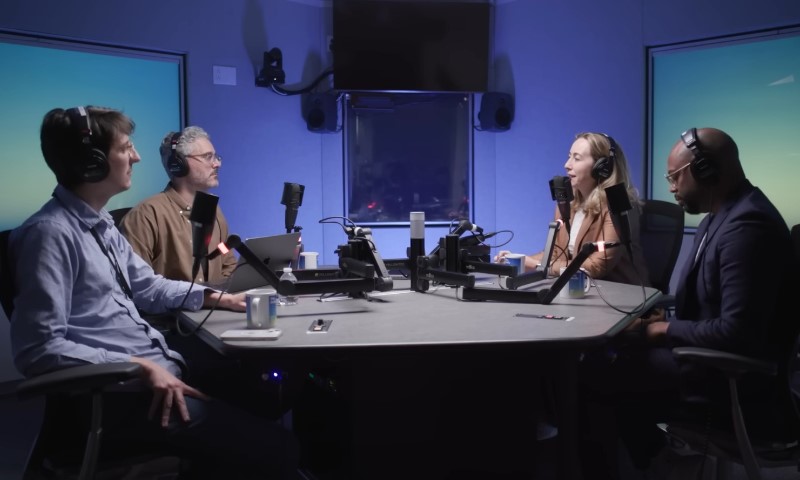
Podcasting no longer feels like a side hobby for early adopters. It is mainstream media with multiple entry points, including audio-only feeds, video-first formats, and hybrid shows that barely resemble radio.
Edison Research’s Infinite Dial 2025 presentation estimates that 158 million Americans age 12 and older consumed a podcast in the last month, representing 55% of the population. Weekly consumption sits at 115 million people, or 40%.
That matters because The Daily was built for an earlier version of podcasting. Audio-first. Commute-friendly. Linear. A product meant to fit into earbuds, not necessarily onto a screen.
In 2025, people still listen. They just listen differently.
People Still Press Play, a Lot
One easy way to test relevance is ranking. Not because rankings tell you what to like, but because they show whether a show drifted into niche territory.
Edison Podcast Metrics placed The Daily at number 3 in the U.S. Top 50 during Q3 2025. Apple Podcasts year-end lists also kept it near the top. That level of reach signals something important. The show still functions as a mass-audience product. Few podcasts can claim that.
Popularity alone never guarantees value for an individual listener. It does confirm that The Daily remains a central node in the news ecosystem, not a relic people remember fondly and rarely use.
What Listening to the Daily Is Designed to Feel Like
The show’s own description on Apple Podcasts remains almost unchanged: twenty minutes a day, five days a week, ready by 6 a.m., hosted by Michael Barbaro, Rachel Abrams, and Natalie Kitroeff.
Behind that short blurb sits a very specific listening promise:
- Early timing, meant for mornings
- One story per episode, no headline roulette
- Heavy reliance on reporting from New York Times journalists
- Narrative pacing rather than bullet-point delivery
The goal has never been speed. The goal has been orientation through storytelling.
For listeners who want to slow the news down just enough to follow cause, consequence, and human stakes, that structure still holds up remarkably well.
Host Changes Matter More Than People Admit
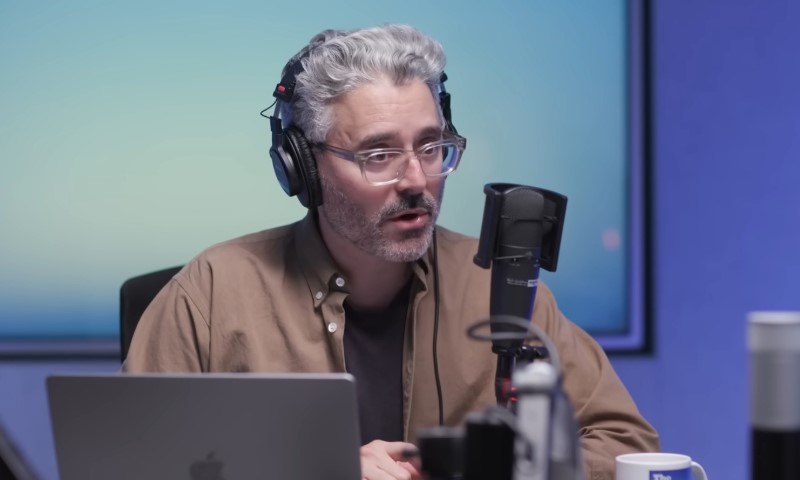
In 2025, The Daily expanded its host lineup. According to Variety, Rachel Abrams and Natalie Kitroeff joined Barbaro as regular co-hosts.
Daily audio builds relationships. Voices repeat. Cadence becomes familiar. Even small tonal shifts can change how a show lands emotionally.
Some listeners welcomed the broader bench. Others needed time to adjust. What matters most is that the show no longer sounds exactly like it did during its earlier, Barbaro-only era.
A practical implication follows from that change. If you tried the show years ago and drifted away, 2025 offers a genuine reason to sample again. The pacing, question style, and conversational texture evolved.
The Archive Paywall Changed the Value Equation
Late 2024 brought one of the biggest shifts for listeners. The New York Times placed the back catalogs of its major podcasts behind a paywall. For The Daily , only the three most recent episodes remain freely accessible across major platforms.
Older episodes now require an NYT audio subscription, reported at $6 per month or $50 per year.
That decision reshaped how the show fits into different listening styles:
- Same-day listeners feel minimal impact
- Binge listeners lose easy access
- Educators, students, and researchers lose frictionless archives
- Long-term evergreen explainers become gated
Axios also reported that subscriptions sold through Apple Podcasts and Spotify count toward Times subscription metrics, signaling that audio is no longer treated as promotional content but as a primary revenue product.
The NYT Audio App Consolidation Reinforced Publisher Gravity

In 2025, Nieman Lab reported that the New York Times would shut down its standalone Audio app and consolidate audio inside the main News app. Full podcast archives and select video assets moved under one umbrella.
For listeners, that move reinforces a familiar tension. Publishers want audiences inside owned platforms. Audiences increasingly live inside Spotify, Apple, and YouTube.
If you used the Audio app as a dedicated listening space, the consolidation changes the workflow. It also reflects a broader industry reality. News organizations are tightening control over distribution at the same moment listeners expect frictionless access across platforms.
The Daily News Podcast Space Is More Segmented Now
When The Daily launched, it felt like the default option. In 2025, listeners choose from clearly defined lanes.
Here is how major daily shows position themselves based on publisher descriptions and listings.
| Podcast | Cadence and timing | Emphasis | Best fit |
| The Daily (NYT) | Weekdays, about 20 minutes, ready by 6 a.m. | One story, produced narrative | Morning depth and single-topic focus |
| Up First (NPR) | Weekdays, about 10 minutes | Multiple headlines with analysis | Fast orientation across stories |
| Today, Explained (Vox) | Weekdays, end-of-day tone | Context and framing | Afternoon or evening catch-up |
| The Journal. (WSJ) | Daily | Business, money, power | Market-driven news routines |
None of these replace each other cleanly. They solve different problems. The Daily still sits closest to a mini documentary rather than a briefing.
Where the Daily Still Earns Its Place
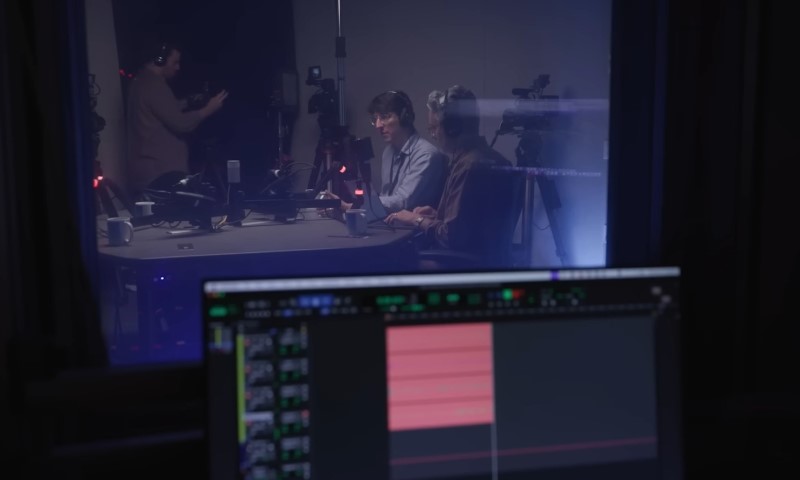
Even in a crowded audio landscape, some strengths age better than others. For The Daily, a few core qualities still hold real weight when the goal is clarity rather than speed.
One-Story Focus Remains Rare and Valuable
Most daily news audio optimizes for coverage. The Daily optimizes for clarity around one subject.
That approach offers real benefits:
- Chronology stays intact
- Interviews breathe
- Cause-and-effect relationships become easier to follow
- Cognitive overload drops
For listeners who feel drained by rapid topic switching, the format still feels like relief.
Agenda-Setting Power Remains Strong
Because of its reach, topic selection acts as a soft signal. The story chosen often becomes part of the day’s broader conversation.
That quality matters if your work depends on anticipating public focus, whether in education, communications, policy, or marketing. Listening becomes a way to track what many others are about to discuss.
Production Quality Does Real Work
Tight editing, sound design, and pacing do more than decorate the story. They force structure. They guide attention. They reduce confusion.
In a media environment flooded with raw reaction clips, that level of craft helps listeners actually follow what happened.
Where the Daily May No Longer Fit
The show still does what it was built to do. That does not mean it works equally well for every listening habit, especially as news routines and platforms keep shifting.
Breadth-Seekers May Feel Underfed
If your primary goal is knowing what happened everywhere, one topic per day can feel limiting. A briefing-style show handles that need better.
Archive Listeners Now Face a Price Decision
Listeners who revisit episodes, assign them in classrooms, or treat the show like a reference library now hit a wall. The free experience favors recency, not retrospection.
Platform Habits Influence Stickiness
With YouTube leading podcast usage among weekly listeners, video-first consumption keeps gaining gravity. Audio-only explainers still work well. They just compete harder for attention when screens dominate routines.
A Simple Way to Decide Without Overthinking
Decision fatigue kills good media habits. A clear, low-effort test helps you figure out quickly whether a daily show actually earns your time, without turning the choice into homework.
Step One: Time-To-Value
Play two or three recent episodes.
If you finish feeling clearer and better informed, the show earns attention.
If you finish feeling aware but incomplete, pair it with a headline briefing.
Step Two: Cost-To-Value
Stay inside the newest three episodes and treat the show as mostly free.
Cross into older episodes often and decide whether archive access justifies $6 per month or $50 per year.
How to Get More Out of the Daily in 2025
View this post on Instagram
- Treat it as one input, not the entire diet
- Pair it with one fast briefing
- Favor episodes explaining systems over breaking news
- Skip topics already saturated in your feeds
- Notice which stories never appear
- Decide early whether archive access fits your habits
- Re-sample after host changes rather than relying on memory
Bottom Line
In 2025, The Daily remains a high-reach, high-craft daily explainer. The core format still works when depth matters more than speed. What changed is the surrounding ecosystem. Paywalls, host evolution, platform consolidation, and shifting listening habits all shape whether the show fits smoothly into your routine.
If you value one carefully told story each morning, the show still belongs on the shortlist. If your needs lean toward breadth, free archives, or video-first formats, alternatives now fill those lanes more cleanly.
The product did not disappear. The default status did.