
You might not give decibels a second thought until a neighbor knocks on your door. Yet many local noise rules cap residential sound at roughly 50 to 55 decibels at the property line, with the lower limit applying at night, and that is quieter than an ordinary conversation.
A drum kit or a cranked guitar amp blows past those numbers in seconds, which is why it pays to build a home recording studio that keeps the sound in from day one.
It mostly comes down to picking the right room, blocking the paths sound uses to escape, and getting smart about when and how loud you record.
Start With the Room, Not the Gear
Where you set up matters more than anything you buy. Every surface you share with another household is a path for sound, and bass travels through structure far more easily than vocals. A basement, a room facing the hallway, or a closet vocal booth gives you a head start for free.
Think About Who Lives Next to You
Neighbor schedules are part of the room choice too. Mark Marshall, writing for The Pro Audio Files, suggests learning when your neighbors work and planning loud sessions for when nobody is home. He also recommends introducing yourself early, since people forgive noise more easily from someone they know.
Soundproofing vs. Acoustic Treatment
This is where most people waste money. Acoustic foam changes how your room sounds, but it barely stops sound from leaving. Isolation relies on a few physical principles instead.
The Three Things That Actually Stop Sound
Almost every effective fix relies on at least one of these:
- Mass: Heavier, denser materials block more sound, so a second layer of drywall beats any amount of foam.
- Airtightness: If air can get through a gap, sound can too.
- Decoupling: When two surfaces do not touch, vibration struggles to cross between them.
Start with the door, because a hollow interior door surrounded by gaps is the weakest link in almost any room. A solid core door with weatherstripping and a sweep often beats treating an entire wall. Sealed heavy curtains handle windows the same way.
Change How You Record
Construction only goes so far, especially if you rent. The other half is simply making less noise. Habits are free and often work faster than lumber.
Headphones, Direct Input, and Amp Sims
Track guitar and bass direct, use amp simulators while you rehearse, and reamp only the final takes.
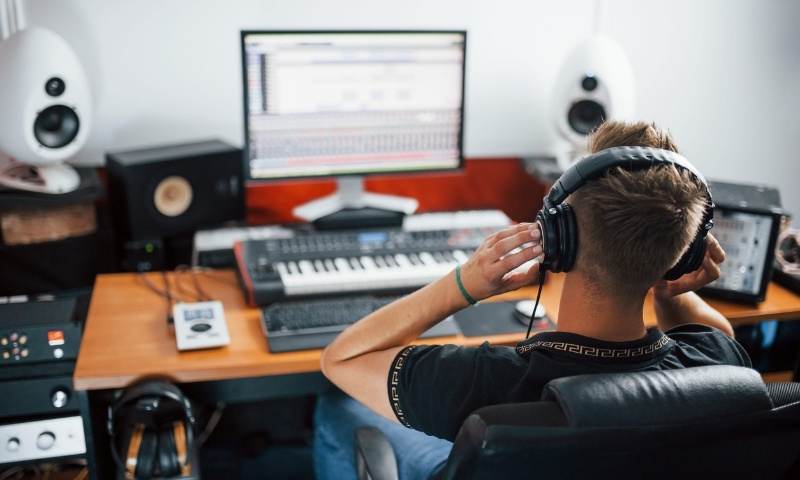
Mix and edit on headphones, saving the monitors for short reference checks. If you record spoken word, this guide on building a podcast studio at home on any budget covers mics that pick up less of the room.
Keep Loud Sessions Short and Planned
Treat your loud hours like a budget. Rehearse until you only need a few takes, group noisy tasks into one block, and give the building a break on weekends. For acoustic drums or a full band, a few hours at a commercial studio costs less than a feud with the people downstairs.
Know the Noise Laws Where You Live
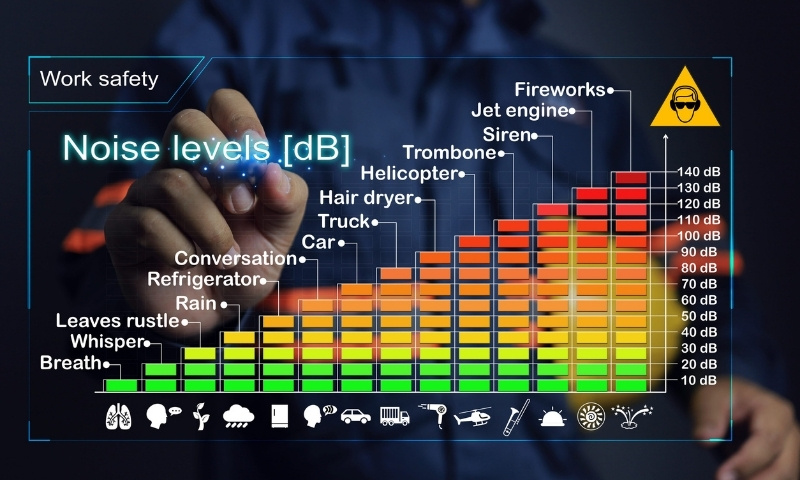
There is no single national rule for residential noise in the US. Some states set exact decibel limits, while others leave it to cities and counties.
A few examples show how wide the range is.
- Strict Decibel Limits in Colorado
Colorado sets statewide limits measured 25 feet or more from the property line. Under the state noise statute, residential zones are capped at 55 dB(A) from 7 a.m. to 7 p.m. and 50 dB(A) overnight, with shrill or impulsive sounds held 5 decibels lower. A snare drum can cross that line easily.
- A Much Higher Bar in Texas
Texas sits near the other end of the scale. The Texas Penal Code presumes noise is unreasonable above 85 decibels, but only after a magistrate or peace officer has notified the person that it is a public nuisance. Local quiet hours still apply, so do not read that as permission.
- A Hybrid Approach in New Jersey
New Jersey splits the job between the state and its towns. The NJDEP holds commercial and industrial sources to 65 decibels by day and 50 at night, and it publishes a model ordinance that municipalities can adopt, including stricter versions. Rules can differ from one township to the next.
Here is a funny example on how decibel levels can affect you.
Leases, HOAs, and Quiet Hours
Most local ordinances set quiet hours, often starting around 10 at night. Nolo explains that standard leases include a quiet enjoyment clause that also obliges you not to disturb other tenants, and repeated complaints can lead to fines or eviction. HOA covenants often restrict noise as well.
Building a Studio Outside the Main House
View this post on Instagram
Sometimes the best way to build a home recording studio is to move it out of the house. A converted garage or backyard studio puts open air between you and every neighbor, which is the most effective isolation there is. It is also the version most likely to involve paperwork.
Permits and HOA Approval
New circuits, insulation, or a separate structure usually require a building permit, and HOAs often review anything that changes the outside of your property. Many boards ask for a site plan showing where the studio sits relative to property lines. Drafting services can prepare one, and Get A Site Plan HOA drawings are a good example of the format boards expect to see.
Treat the Inside Once the Shell Is Solid
With the structure sealed, focus on how the room sounds. Bass traps in the corners and a few panels at the first reflection points will tame echo, and these tips and tools that improve your podcast quality are worth reading before you buy anything. Plan for ventilation, because sealed rooms get stuffy fast.
Frequently Asked Questions
Quick answers to common questions about recording at home.
Conclusion
You do not need a professional crew to build a home recording studio that keeps the peace. Start with the right room, seal the obvious leaks, add mass where you can, and move loud work to headphones and short planned sessions. Check your local rules, and talk to the people next door before they have a reason to knock.
And when the tracks are finally done, these steps for music marketing for bedroom producers can help you reach listeners beyond your wall.