
In most countries today, purely AI-generated music does not qualify for full traditional copyright ownership the same way human-created music does. Instead, ownership depends on platform terms, the level of human input, and how the track is used commercially.
Suno AI sits right in the middle of this legal gray zone.
This is one of the biggest unanswered questions in modern music: if an artificial intelligence composes a song in seconds, who actually owns it? The person who typed the prompt? The company that built the AI? Nobody at all?
The answer is not universal, and it changes based on jurisdiction, intent, and how much creative control a human exercises.
What Suno AI Actually Does
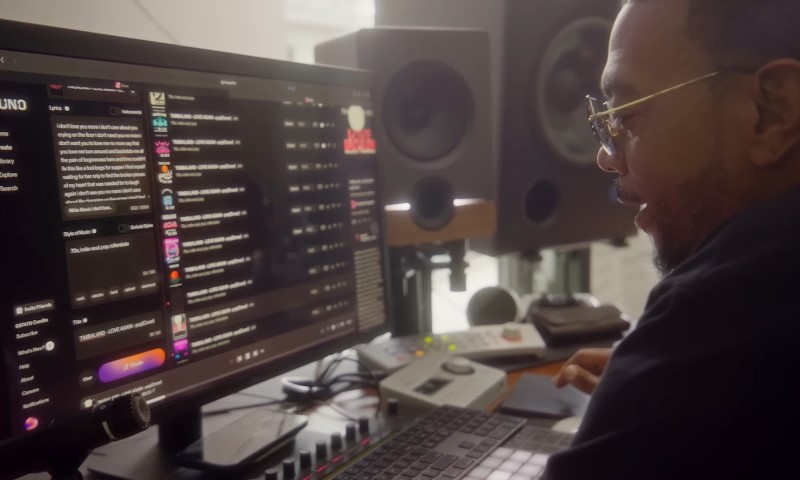
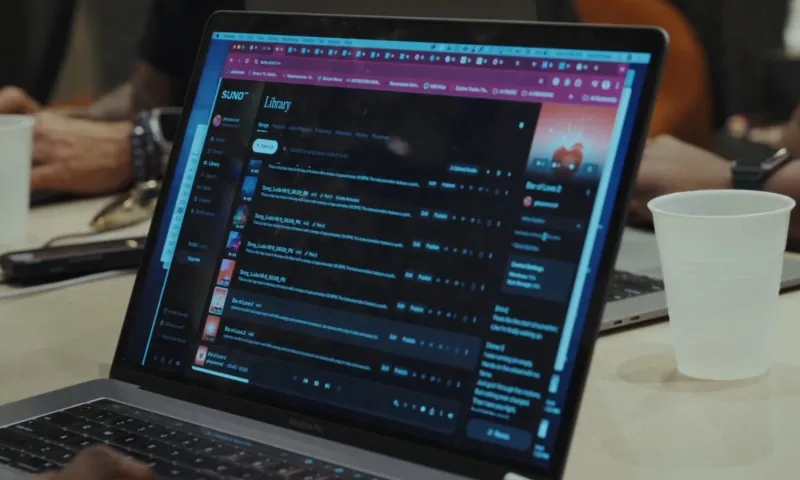
Suno AI is a text-to-music generation platform. You type in what you want a song to sound like. The system then generates:
- Full instrumental arrangement
- Vocals and lyrics
- Song structure (verses, chorus, bridge)
- Genre stylings
- Production effects
Unlike older AI music tools that only created melodies or backing tracks, Suno produces entire finished songs. That is exactly why copyright becomes legally complicated. Suno is not assisting a composer. It is functioning as the composer.
From a legal standpoint, that difference is massive.
The Core Legal Problem: Copyright Requires a Human Author
Most of the world’s copyright laws still rest on one core assumption:
Copyright protects works created by humans.
This principle exists in:
- U.S. Copyright Office rules
- European Union copyright frameworks
- UK Copyright, Designs and Patents Act
- Most international treaties, such as the Berne Convention
In the United States, the Copyright Office explicitly states:
That means if Suno generates a track entirely on its own, without meaningful human creative decisions, that track is not eligible for standard copyright protection in the U.S.
This does not mean the track is illegal. It means it falls into a strange category where ownership is limited, and enforcement is weak.
So, Who Owns a Suno AI Track?
View this post on Instagram
There are three different layers of ownership that people often confuse:
- Platform rights (Suno)
- User rights (the person generating the track)
- Traditional copyright protection
Let’s separate them.
1. Suno Ownership Under Its Terms of Service
Under Suno’s current Terms of Service, users are granted broad usage rights to the tracks they generate. This includes the right to download the music, distribute it publicly, use it in videos, digital content, games, advertisements, a nd in many c, cases monetize it commercially, depending on the subscription tier. From a practical standpoint, this allows creators to actively deploy Suno-generated tracks across most online platforms without immediate restriction.
However, it is critical to understand that Suno retains ownership of the underlying artificial intelligence system, including the model architecture, the training process, the datasets used, and the generative engine itself.
Users do not own any part of the AI infrastructure. What they receive is not full intellectual ownership of the technology but rather a license to use the generated output.
This arrangement is similar to how stock image platforms operate. You may license an image for commercial use, but you do not own the camera that took it, the software that processed it, or the dataset that enabled its creation.
In the same way, Suno users obtain functional usage rights, not full creative authorship over the generative system. This distinction becomes extremely important when ownership disputes or copyright enforcement issues arise.
2. Does the User Own the Song?
From a legal perspective, users generally own the output only as a licensed digital asset, not necessarily as a fully registered copyrighted work in the traditional sense. This means that the user has the practical right to use the track in commerce and media, but the legal foundation of ownership can be weak if challenged.
In real terms, this allows users to upload Suno-generated tracks to YouTube, incorporate them into video games, run them in digital advertisements, and distribute them on streaming platforms.
These uses are allowed because they fall under Suno’s granted licensing framework. However, ownership in the strongest legal sense requires recognized human authorship, which purely AI-generated tracks often lack.
This creates a crucial divide between functional use and legal enforceability. You can use the song publicly and commercially, but if someone copies it, reposts it, or claims it as their own, your ability to enforce traditional copyright claims in court may be severely limited depending on your country’s laws. In practice, this means you can operate with the music, but you may not be able to defend it as exclusive intellectual property.
3. Traditional Copyright Recognition
This is where the legal foundation becomes most unstable. If a track is fully generated by Suno, with no original melody, lyrics, or composition created directly by a human, then in many legal systems that work does not qualify for traditional copyright protection at all. Copyright law in most countries is still built on the principle that a human author must exist.
If no human can be legally identified as the creative author, the song enters a gray zone where ownership is functionally licensed but not strongly protected. This produces several serious practical consequences for creators, distributors, and businesses relying on AI-generated audio.
Legal Consequences of Pure AI-Generated Music
| Legal Issue | Practical Outcome |
| Can you stop someone from copying the track? | Often difficult or impossible |
| Can you officially register the song with the copyright office? | Usually rejected |
| Can you sue for copyright infringement? | Highly questionable in most jurisdictions |
| Can you still monetize the track? | Yes, through platform licensing |
The “Human Input” Threshold
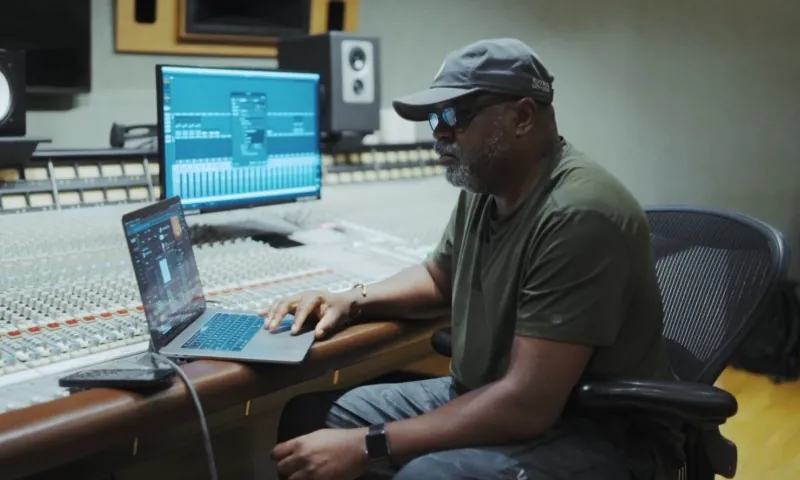
Ownership becomes stronger when the human contribution increases. Examples include:
- Writing all original lyrics yourself
- Creating the melody manually and only using Suno for arrangement
- Heavily editing the generated vocals
- Treating AI output as raw material
Once a human contributes substantial creative authorship, copyright becomes possible again.
This is exactly how some artists legally protect hybrid AI tracks. The AI generates a base. The human reshapes the work into something legally attributable.
Why This Is Becoming a Huge Problem in Music Distribution
Streaming platforms are flooded with AI music. Thousands of Suno and similar AI tracks are uploaded daily.
This creates three major problems:
- Duplicate content flooding
- Fake artists
- Impossible copyright enforcement
One creator can upload a track today. Another user can generate an extremely similar prompt tomorrow. Both tracks may be legally usable by both users because neither holds strong exclusive ownership.
This is where AI detector tools are increasingly used. Labels, platforms, and rights agencies now rely on an AI detector to identify synthetic audio, determine risk levels, and decide whether a song qualifies for royalty protections.
Can Suno AI Tracks Be Monetized?
Yes. But monetization ≠ of copyright ownership.
You can:
- Upload AI tracks to YouTube
- Collect ad revenue
- Use them in games and apps
- Sell commercial licenses in some setups
- Include them in brand content
What you cannot fully rely on is exclusive ownership protection if they are copied.
This is a massive difference from traditional music rights, where ownership alone can stop distribution.
What Happens If Someone Steals Your Suno Track?
Here is the uncomfortable truth.
If someone:
- Downloads your Suno track
- Re-uploads it elsewhere
- Claims it as their own
You may be able to:
- Issue platform takedowns using licensing claims
- Report terms-of-service violations
- Use timestamp evidence
But traditional copyright lawsuits may fail, because courts often require a human creator with recognized authorship.
This is why many producers who rely on AI now hybridize their workflow, adding enough human originality to qualify for protection.
The Training Data Controversy
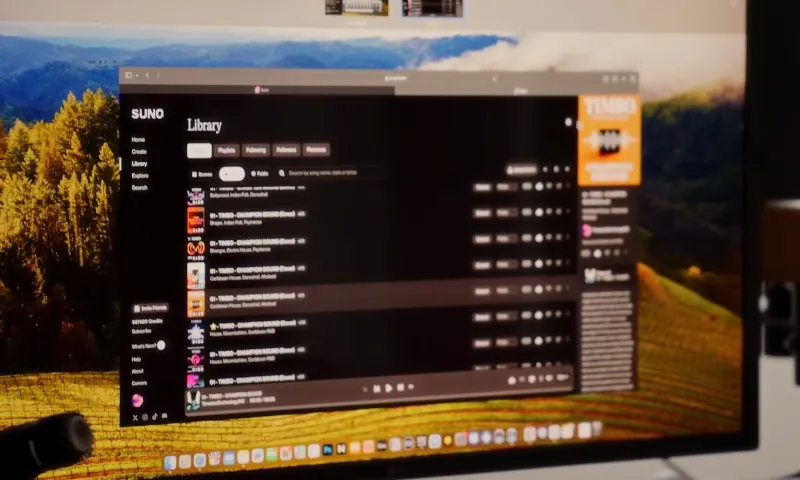
Another legal risk layer involves what Suno was trained on.
If an AI model were trained on copyrighted music without permission, then:
- Output could resemble protected works
- Lawsuits may target the platform
- Outputs could face retroactive restrictions
This risk affects Suno users indirectly. A future court ruling could force:
- Takedowns
- Revenue freezes
- Platform-wide content removals
Even if no individual user violated any rule.
What Different Countries Currently Say
| Region | Legal Position on AI Copyright |
| United States | Requires human authorship |
| European Union | Human creative input required |
| United Kingdom | Allows limited computer-generated authorship with weaker rights |
| Japan | More flexible on AI output usage |
| China | Rapidly evolving case-by-case enforcement |
The UK is currently one of the few jurisdictions that technically recognizes computer-generated works, but even the rights are narrower than human-created works.
The Real Reason Platforms Avoid Clear Answers
Platforms like Suno carefully phrase their terms because:
- Laws are not settled
- Court precedents differ
- Governments disagree
- New regulations are coming
Instead, they grant usage rights, not absolute ownership.
Bottom Line
Suno AI allows you to use the music you generate. It does not guarantee you full traditional copyright ownership.
You can monetize. You can distribute. You can build content with it. But if exclusive ownership, lawsuits, catalog valuation, and lifetime publishing rights matter to your business, then pure AI-generated music is still legally weak.
The safest legal position today remains:
- Human lyrics
- Human composition
- AI as a production assistant
- Not as the sole creator
Until copyright law fully adapts to artificial intelligence, Suno tracks exist in a powerful but legally unstable middle ground.