


Podcasting has exploded in the last decade, from a niche hobby into a mainstream storytelling and branding tool. Entrepreneurs, CEOs, creatives, and experts are all lining up to get on the mic, eager to share what they’ve built and how they did it.
It’s powerful stuff. But when someone claims they went from broke to billionaire in two years, or tripled their revenue in a recession, a fair question pops up:
Are podcast guests being honest about their business success?
It’s not a cynical question. It’s a necessary one, especially as podcasting moves deeper into the worlds of marketing, personal branding, and business development.
With over 504 million listeners projected globally, podcasts are now a front-row seat to stories that influence purchases, investments, and even careers.
So let’s talk about what’s real, what might be a bit too polished, and how listeners, hosts, and guests can all stay grounded in the truth.
Why So Many Business Leaders Appear on Podcasts

If you’ve listened to more than a few business podcasts, you’ve probably heard a familiar arc:
“I was struggling to pay rent. Then I started my company, followed a few key principles, and now I’m running a multi-seven-figure business with a global team. Oh, and I’m happier than ever.”
It sounds compelling. Sometimes it’s true. Sometimes it’s… stretched.
But first, we’ve got to look at why these stories are being told in the first place.
It’s a Golden PR Opportunity
For entrepreneurs, being a guest on a well-positioned podcast is like landing a spotlight moment—no script, minimal editing, and a host who often sets you up to shine. If the host is trusted, the guest borrows some of that trust by default.
Audience = Business
More than ever, the guest seat is a sales opportunity. You don’t always hear a hard pitch, but make no mistake—many guests are there to grow something: email lists, brand awareness, investor interest, course sales, speaking gigs.
And where there’s pressure to grow, there’s pressure to impress. That’s where exaggeration can sneak in.
This mirrors how online platforms often present curated statistics to attract audiences, such as those found in https://www.slotozilla.com/blog/slotozilla-slot-statictics
The Role of Authenticity, & Why It Matters More Than Ever
View this post on Instagram
Authenticity isn’t just a buzzword in podcasting. It’s the currency that drives trust.
A 2023 report from SiriusXM Media found that podcasts are 23 times more trusted than social media. That’s a staggering stat, and it says a lot about how listeners experience the medium.
When a host and guest are chatting, it doesn’t feel like marketing. It feels like eavesdropping on a real, sometimes vulnerable conversation. It feels personal.
And that’s exactly why listeners expect guests to keep it real.
What the Experts Say
Multiple sources across the podcasting space emphasize that authenticity isn’t just nice to have—it’s the secret sauce. Here’s a snapshot:
| Source | Advice for Guests | Why It Matters |
| Podcast Hawk (2023) | Share real-life stories, use data, avoid over-promotion | Listeners trust guests who sound experienced—not salesy |
| Interview Valet (2017) | Be open and honest, focus on storytelling | Transparency makes conversations engaging and credible |
| MuddHouse Media (2024) | Use firsthand experiences to connect with audiences | Specifics build relatability and humanize success |
Why Guests Might Stretch the Truth Anyway
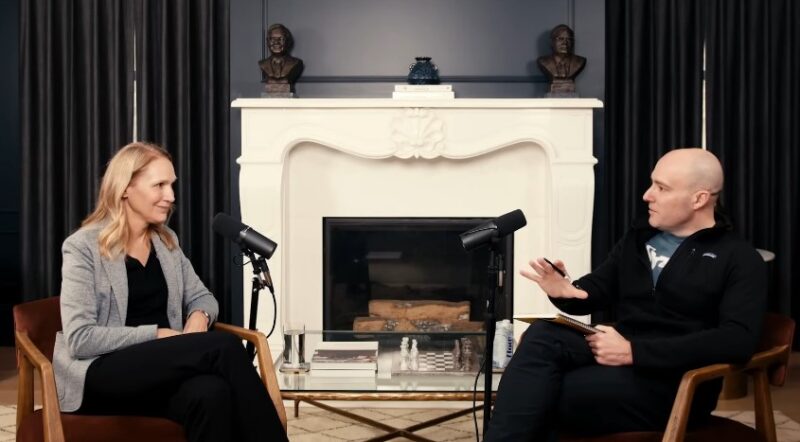
Let’s be real—there’s a reason the phrase “fake it till you make it” is so widely used in business. It’s tempting, especially when a 30-minute podcast appearance could translate into thousands of dollars in new business or visibility.
1. Promotion Pressure
When you’re on a podcast to promote your product, book, or investment opportunity, there’s an unspoken goal: make yourself sound impressive enough that someone listening wants in. But if you’re not where you want to be yet? The temptation to boost numbers, inflate reach, or brush over struggles gets real.
Sabrina Horn, in her book Make It, Don’t Fake It (2022), talks about the danger of appearing more successful than you actually are—especially in high-stakes leadership roles.
While she focuses on broader business culture, the logic applies here too. The pressure to look polished often overshadows the value of showing the messy middle.
2. Paid Appearances
Not all podcasts are created equal. Some shows charge guests to appear—sometimes hundreds or even thousands of dollars per episode.
That financial investment can push a guest to “show ROI” by presenting a more glamorous version of their journey. If they paid to get on, they want it to pay off.
Certain shows inflate download numbers or overstate audience size. That means guests might already be stepping into an environment built on exaggerated success, where truth becomes a little fuzzier all around.
Are Guests Actually Lying?

Here’s where it gets tricky. There’s no study that explicitly proves podcast guests routinely lie about their business success. But that doesn’t mean it never happens.
1. There’s Cultural Encouragement to Exaggerate
Business storytelling—especially in fast-paced, influencer-driven spaces—often rewards the most dramatic narrative. You hear fewer stories like “I’m growing slowly, hitting roadblocks, and figuring it out,” and more like “I scaled to 7-figures in 18 months with no ads.”
2. Dishonesty Already Exists Behind the Mic
The most telling signs of exaggeration might not come from the guests—but from the shows themselves. From faked listenership metrics to scam podcasts that charge guests for fake interviews, dishonesty has crept into the business podcast space.
It stands to reason that some guests are following the lead.
3. There’s No Accountability
Unlike financial disclosures in public companies or peer review in journalism, podcasts don’t really come with a fact-checking department. Hosts usually aren’t digging into the tax returns of their guests. And most listeners aren’t either. That leaves a lot of room for unchecked claims.
What Listeners Can Watch Out For

You don’t need to be paranoid, but it helps to keep your ears sharp. Some success stories are 100% real. Others are airbrushed. And some might be totally made up. Here’s how to spot the difference:
Vet Their Claims
If a guest says they raised $10M, landed a Fortune 500 client, or doubled revenue in six months, go peek at their website. Check LinkedIn. See if media coverage supports their timeline. If they’re legit, some trace usually exists.
Listen for Specifics
The more detailed a story, the more likely it’s real. People who exaggerate often stay vague. But someone talking about a failure that nearly cost them a client, or explaining how they restructured after a product launch flopped? That’s usually real.
Balance Is a Good Sign
If a guest only talks about wins, it’s a red flag. Real entrepreneurs face burnout, bad hires, failed launches, imposter syndrome. Guests who acknowledge the lows along with the highs tend to be more trustworthy.
What Hosts Can Do to Keep It Honest
For podcast hosts, protecting credibility is a full-time job. If you’re bringing guests on to talk shop, you want stories—not sales pitches. And you definitely don’t want to platform someone who’s misrepresenting themselves.
Here are a few tactics hosts use to maintain that line:
- Vet before inviting: Look into guests’ claims and body of work. Not everyone needs to be a unicorn founder, but they should be verifiable.
- Create a safe space: People tend to be more honest when they’re not under pressure to “sell.” Encourage storytelling that includes setbacks and lessons—not just highlight reels.
- Lead by example: Share your own struggles or past missteps. When a host is honest, guests tend to match that energy.
And for Guests, Here’s What Actually Works
Being authentic isn’t just good ethics. It’s good strategy.
Listeners can tell when a story is true. They lean in. They relate. They remember. That’s what builds trust—and trust is what creates long-term ROI, not flashy numbers or buzzword-heavy pitches.
If you’re a guest (or hoping to be one soon), here’s what works:
- Be real: Share the parts that didn’t go perfectly. Listeners value honesty far more than polish.
- Back it up: If you mention growth, bring data. You don’t need to overshare, but even ballpark stats help.
- Focus on giving: Teach, entertain, or inspire. When you do that, the promotional value takes care of itself.
So… Do Podcast Guests Lie?
Sometimes. But more often, they polish. They spin. They focus on what sounds impressive and leave out what might sound too vulnerable or messy.
That doesn’t mean podcasting has a truth problem. It means it has a storytelling culture where everyone—hosts, guests, and listeners—plays a role in keeping things grounded.
The best shows don’t just amplify success. They explore what it takes to get there. They ask for the real story. And they leave space for people to say, “Yeah, I’m still figuring it out.”
Because that’s where trust lives—and where the real magic happens on the mic.