
Podcasting has always been a fantastic way to absorb stories, news, and ideas while doing something else. But the way we listen? That’s evolving fast. Smart home technology is making podcast consumption more effortless, more integrated, and honestly, a lot more fun.
Not long ago, tuning into an episode meant reaching for a phone, opening an app, and connecting to speakers. Now? A simple voice command gets things rolling. With smart appliances taking over homes, podcasts are slipping seamlessly into everyday life, blending into chores, cooking, and even relaxation time.
Smart Speakers: Your Podcasting Sidekick
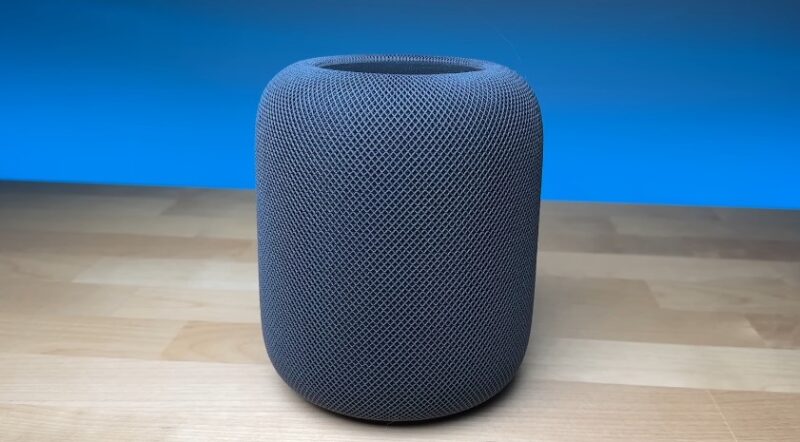
There’s something magical about walking into a room and saying, “Alexa, play my favorite podcast,” and having it start instantly. Smart speakers like Alexa, Google Nest, and Apple HomePod have changed how people interact with audio. These devices have transformed passive listening into something much more immersive and accessible.
How Smart Speakers Are Changing Podcast Listening
Hands-Free Convenience
Life gets busy. Between cooking dinner, tidying up, and getting ready in the morning, finding time to press play on a phone or scroll through episodes can feel like an unnecessary hassle. Smart speakers remove that barrier. A simple voice command allows listeners to start, stop, or even ask for recommendations without lifting a finger.
Multi-Room Synchronization
Ever started a podcast in one room and wished it could follow you around the house? Smart speaker setups allow seamless transitions between rooms. For those who love listening while doing chores, this feature is a game-changer. No need to pause an episode while moving from the kitchen to the laundry room—just keep listening as sound moves with you.
Personalized Discovery
AI-driven recommendations are getting better every day. Smart assistants are learning user habits and preferences, suggesting new podcasts that fit individual tastes. The more someone listens, the smarter the device gets at curating content.
For podcast creators, this means optimizing content for voice search. If a listener says, “Play a podcast about productivity,” is an episode ready to surface?
Appliances That Listen – And Play
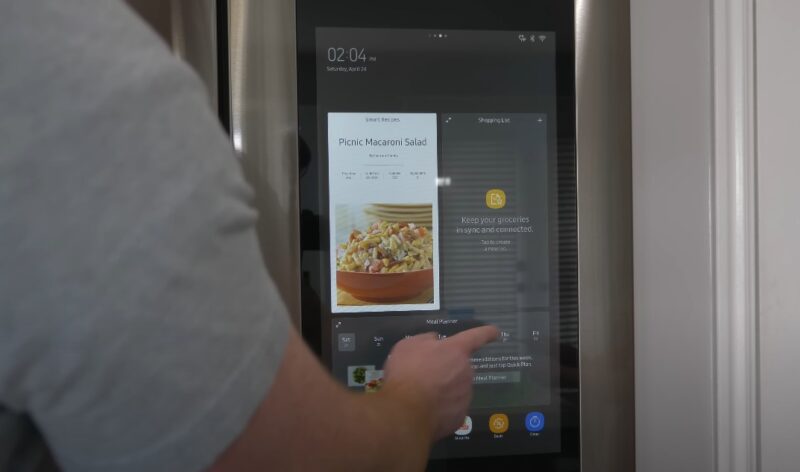
Speakers aren’t the only gadgets getting in on the action. Smart refrigerators, ovens, and even washing machines are now podcast-friendly. Imagine:
- A fridge that plays a true-crime episode while grabbing breakfast.
- An oven timer that doubles as a podcast controller—pause, skip, rewind while cooking.
- A washing machine syncing up with a playlist of short episodes that match the laundry cycle.
These appliances are designed to reduce friction. The less effort it takes to start listening, the more people will do it. However, like any smart technology, they require maintenance to keep running smoothly. That’s where 5 Star Appliance Repair comes in, ensuring that high-tech appliances continue working flawlessly—so there’s never a missed episode due to a malfunctioning smart fridge or an unresponsive voice assistant.
Podcasting Meets Home Automation
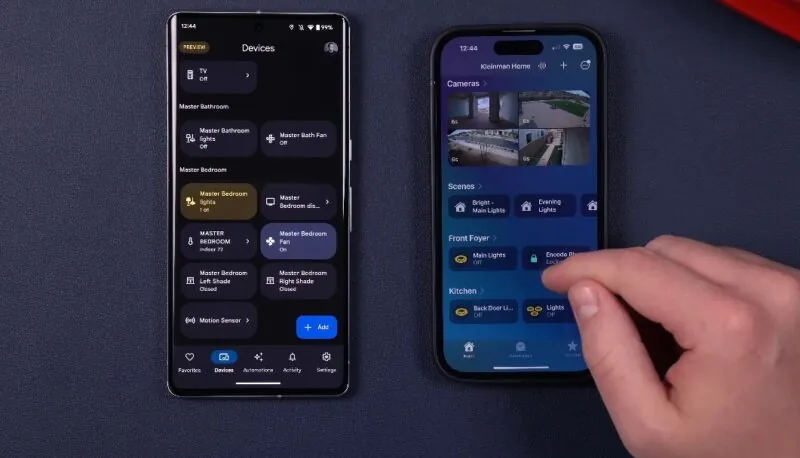
The smart home isn’t just about voice commands; automation is taking over. Imagine a podcast automatically playing every morning when lights turn on or episodes queued up for a wind-down routine.
How Home Automation Is Transforming Podcast Consumption
A home automation setup can integrate podcasts into daily habits. Imagine waking up, and as soon as the bedroom lights turn on, a morning news podcast starts playing through a smart speaker. No need to reach for anything—it just happens.
Many people listen to calming podcasts before bed. Smart home systems can be programmed so that dimmed lights and bedtime routines trigger a specific playlist of relaxing content.
Not everyone wants to listen to a podcast through headphones or a tiny phone speaker. Smart TVs now make it easy to stream audio shows. Some people use large-screen displays to follow video versions of podcasts, while others just enjoy the superior sound quality of a home theater system.
With these advances, audio content is no longer tied to a single device. It’s integrated into the entire home.
How Podcasters Can Adapt

With so many new ways to listen, content creators need to keep up. The goal is to make content as accessible and discoverable as possible.
1. Optimize for Voice Search
When people ask a smart device to play something, they aren’t typing—they’re speaking. This changes the way podcast titles and descriptions should be written. Phrases like:
- “Best podcasts about productivity”
- “Latest episode from [Podcast Name]”
- “Podcast recommendations for road trips”
If a podcast isn’t optimized for these types of queries, it risks being overlooked.
2. Create Both Short-Form and Long-Form Content
View this post on Instagram
Some listeners enjoy deep-dive discussions, but others prefer quick, digestible episodes they can fit into daily tasks. By offering a mix of both, podcasters can cater to different types of audiences.
- Short-form episodes (5-15 minutes) work well for quick chores or short commutes.
- Long-form content (45 minutes or more) is great for road trips, workouts, or deep work sessions.
3. Make Episodes Part of a Routine
Encouraging listeners to integrate a podcast into daily habits makes them more likely to stay engaged. Prompts like:
- “Listen to this while making coffee”
- “Perfect for your daily commute”
- “A great companion for your workout”
…can subtly reinforce when and how a podcast fits into everyday life.
4. Consider Audio Quality
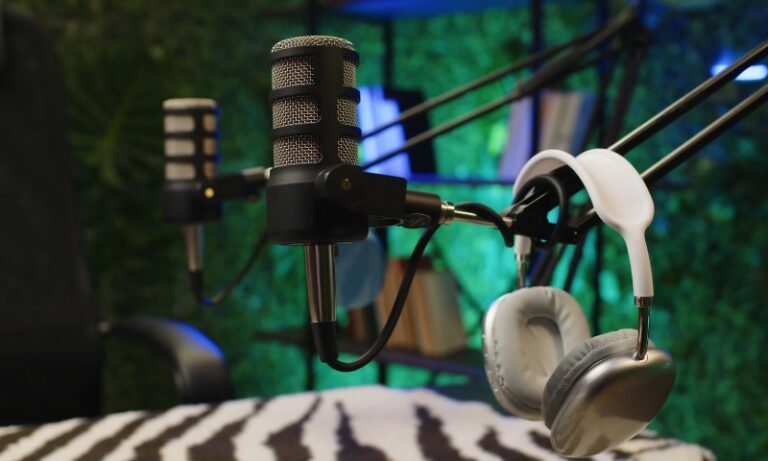
Smart home devices have different speaker setups than traditional headphones. Content should be clear, well-mixed, and free from distortion. Some podcasters even create multiple mixes—one optimized for mobile listening and another for home speaker playback. Podcasters are also investing in equipment, especially microphones.
Where Is It All Headed?
The smart home revolution is only getting started. Soon, AI-driven devices might curate daily listening schedules, automatically pulling in relevant content based on preferences and routines. Maybe smart mirrors will provide morning news podcasts while people brush their teeth.
For podcasters, adapting to these changes isn’t just smart—it’s essential. Listeners expect ease, automation, and accessibility. Meeting them where they are—whether in the kitchen, living room, or laundry room—makes all the difference.
The question now isn’t just what people are listening to. It’s how they’re listening. And that’s where things are getting really interesting.